
Elizabeth Bard’s Cherry Clafoutis Recipe for Provence
Dessert · Flans, Puddings · Provencal Recipes · TasteThis sweet summer recipe comes from Elizabeth Bard’s latest book Picnic in Provence: A memoir with Recipes. We published the recipe below for this delicious cherry dessert with the author’s permission.
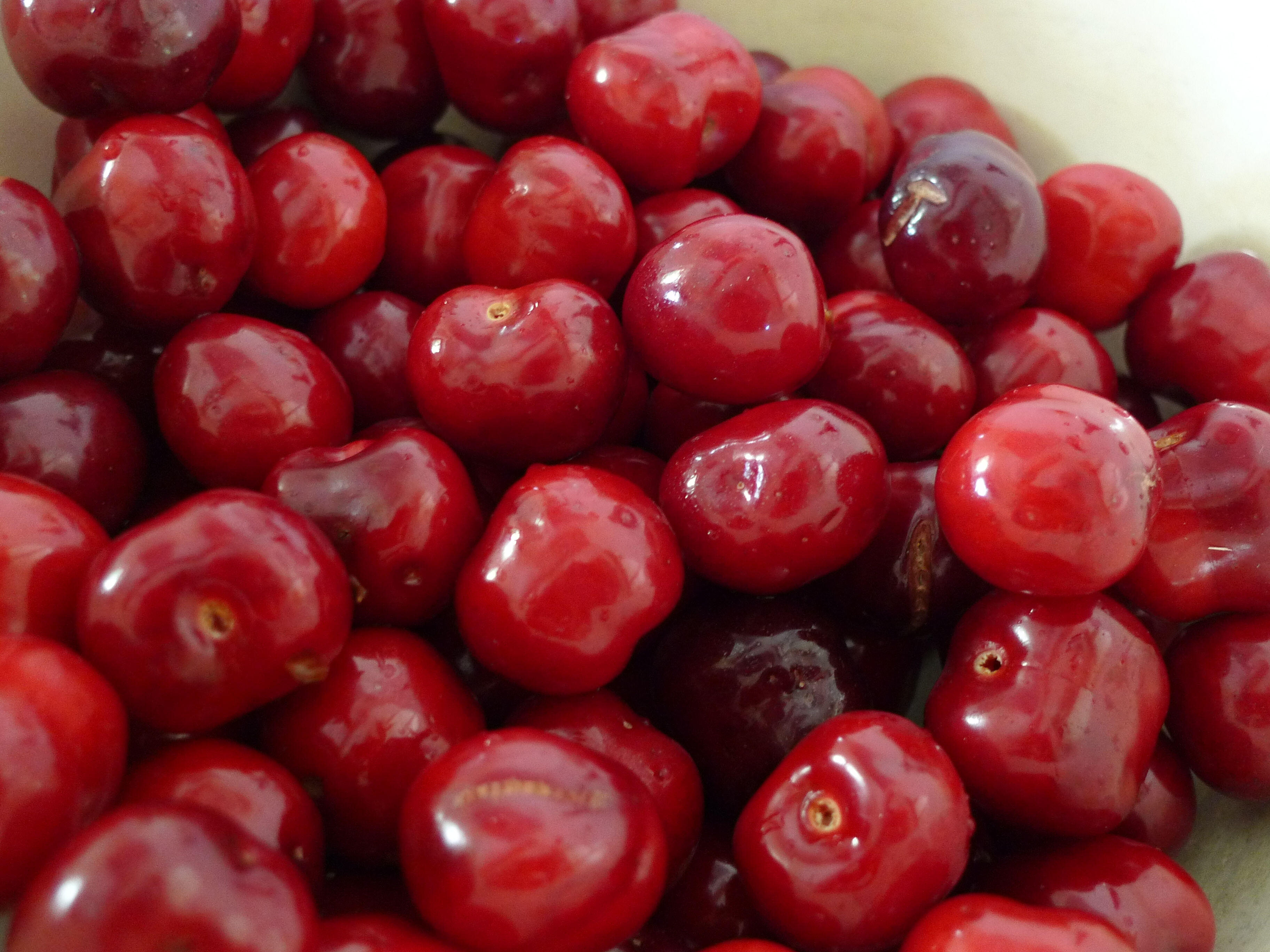

Cherry Clafouti - Clafoutis aux Cerises
Clafouti is a homey dessert, a wobbly set custard chock-full of summer’s first cherries. What it lacks in elegance, it makes up for in comfort and sheer deliciousness, perfect for brunch among friends. I’ve been fiddling with clafouti recipes for many years. Jean’s had too much flour for my taste, more like a Far Breton. This recipe is adapted from Les Clafoutis de Christophe by Christophe Felder (Éditions Minerva, 2001). Many traditional clafoutis use unpitted cherries, to get the bitter almond flavor from the pits, but if you don’t want to pay for your guests’ dental work, I suggest you pit the cherries and add some amaretto instead!
Ingredients
- 3/4 cup sugar
- 2 large eggs
- 2 egg yolks
- 1/3 cup flour
- 1 cup milk semi-skimmed, 2%
- 1 tbsp milk semi-skimmed, 2%
- 1 cup light cream 18–20 % fat
- 1 tbsp light cream 18–20 % fat
- 1 tbsp Amaretto rum, or Kirsch
- 1 pound cherries pitted
Instructions
- Preheat your oven to 400°F.
- In a medium mixing bowl, whisk together sugar, eggs, and egg yolks until a light lemon yellow. Add flour; whisk to combine. Pour in milk, cream, and amaretto, whisking just to combine — this is like pan- cake batter; once you add the flour, you don’t want to overwork it.
- Butter and sugar a 10-inch ceramic tart mold (I sometimes skip this step and just line the dish with a big sheet of parchment paper).
- Put the cherries in the bottom of the mold. Give the batter a final stir and pour it in. Bake on the middle rack of the oven for 50 to 55 minutes, until well browned and fully set in the middle. Serve slightly warm or at room temperature (though I never say no to the leftovers straight from the fridge the next morning).
Notes
Tip: You can make clafouti with any kind of seasonal fruit that won’t give off too much water; blackberries and apricots immediately come to mind.
Tried this recipe?Let us know how it was!
Saint-Tropez - Jewel of the French Riviera: Full day tour with a winery visit
Spend your day as a movie star in Saint-Tropez! The departure is set early in the morning to avoid the traffic towards the legendary town, with which a thousand stories are associated. The experience will start with a tour of this enchanting small fishing town of Saint-Tropez, which inspired numerous painters and whose beauty of the port always attracted the cinematographic world.
Book this ExperienceLegal
All rights reserved. Perfectly Provence articles and other content may not be published, broadcast, rewritten (including translations into other languages) or redistributed without written permission. For usage information, please contact us.
Syndication InformationAffiliate Information
As an Amazon Associate, this website earns from qualifying purchases. Some recipes, posts and pages may have affiliate links. If you purchase via these links, we receive a small commission that does not impact your price. Thank you in advance for supporting our work to maintain Perfectly Provence.
Previous Post
Grottos of Provence the Caves of VillecrozeRelated Provence Articles
Lemony Olive Oil Ricotta Cake: A Sweet Treat from Atelier Laurel
July 20, 2026
This recipe for a delicious lemony olive oil ricotta cake is one of my favourites. The creamy, full-fat ricotta and olive oil keep the cake light, tender, and moist, while the fresh lemon zest adds a gentle citrus aroma that complements its mild sweetness. This dessert is elegant but easy to make. Enjoy it on …
Pretty in Pink Praline Tart a Dessert from Lyon for Valentines
January 13, 2023
A little more than a year ago, I had a nice e-chat with my friend Romain, who writes The Food Trotter. He had just moved from Paris to Lyon and told me of some of the local specialities, one being the iconic Lyonnaise Tarte aux Prâlines Roses (Pink Praline Tart). So naturally, I was intrigued, …
When Life Gives You Figs – Make a Fig Tart with Orange Flower Custard
October 20, 2017
What is your go-to dinner party hostess gift? A bottle of wine is an easy option, of course. Flowers are nice, but the hostess needs to scramble to find a vase and arrange the bouquet, which might not be practical. David shared this in his post about hostess gifts. “Never show up empty-handed.” I grew …
Seared Duck Breast with Ground Cherry Chutney
October 28, 2021
The other day, I got a text from my friend, Jill, that our local store had gooseberries, and did I want any? What a silly question! Of course, I wanted some gooseberries. Within seconds, I was dreaming of the gooseberry-almond cake from my days in Heidelberg, Germany. When Jill arrived with the loot, I opened …
No Comment