
Provencal Laundry all Washed up in France’s Lavoirs
Ginger and Nutmeg · Inspire · Provencal History & TraditionsWater sloshes against the sides of the shallow stone basin of the lavoir as weathered hands vigorously scrub at stubborn stains. Kneeling on their augets washerwomen exchange tidbits of town gossip as they work to brighten their laundry.
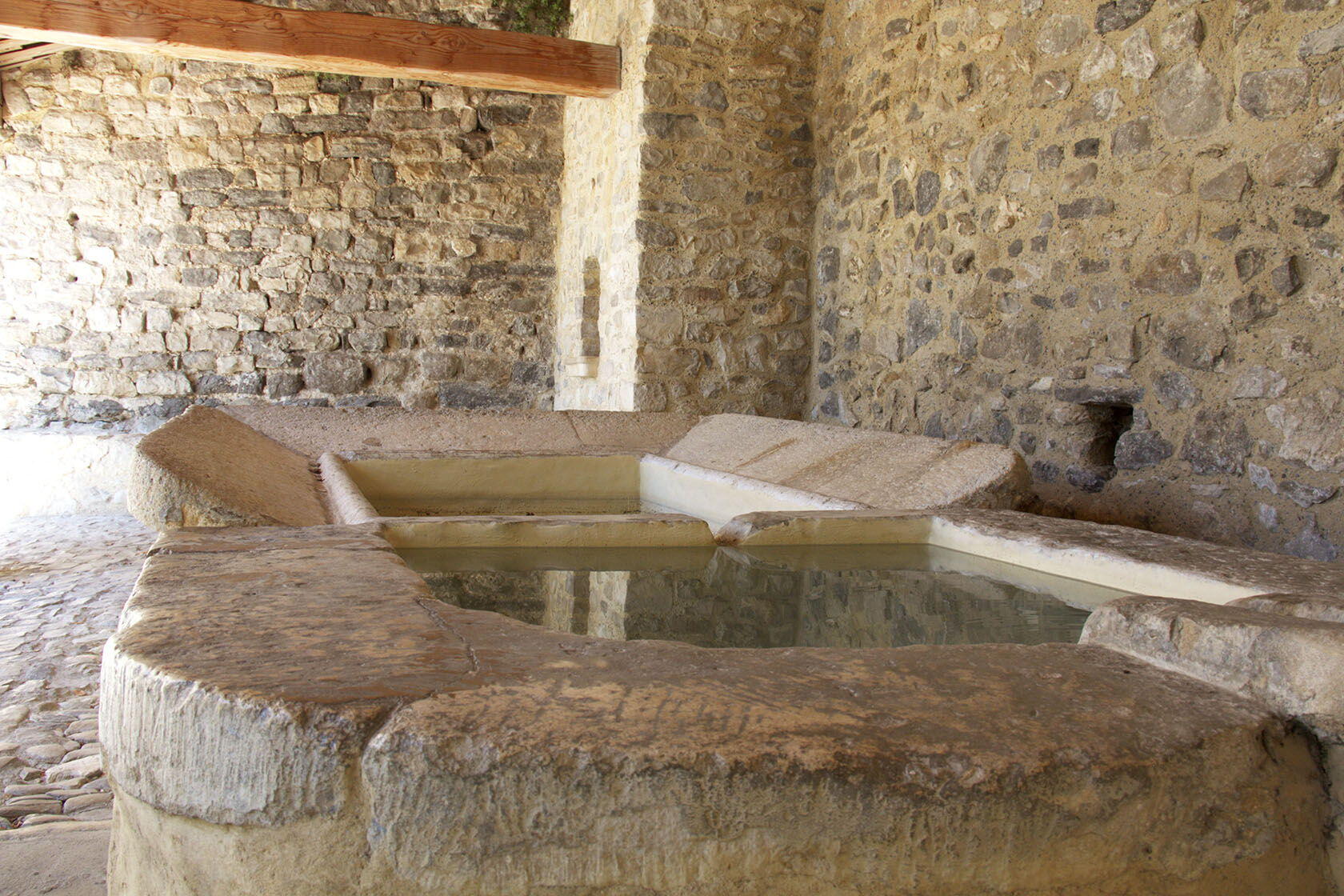
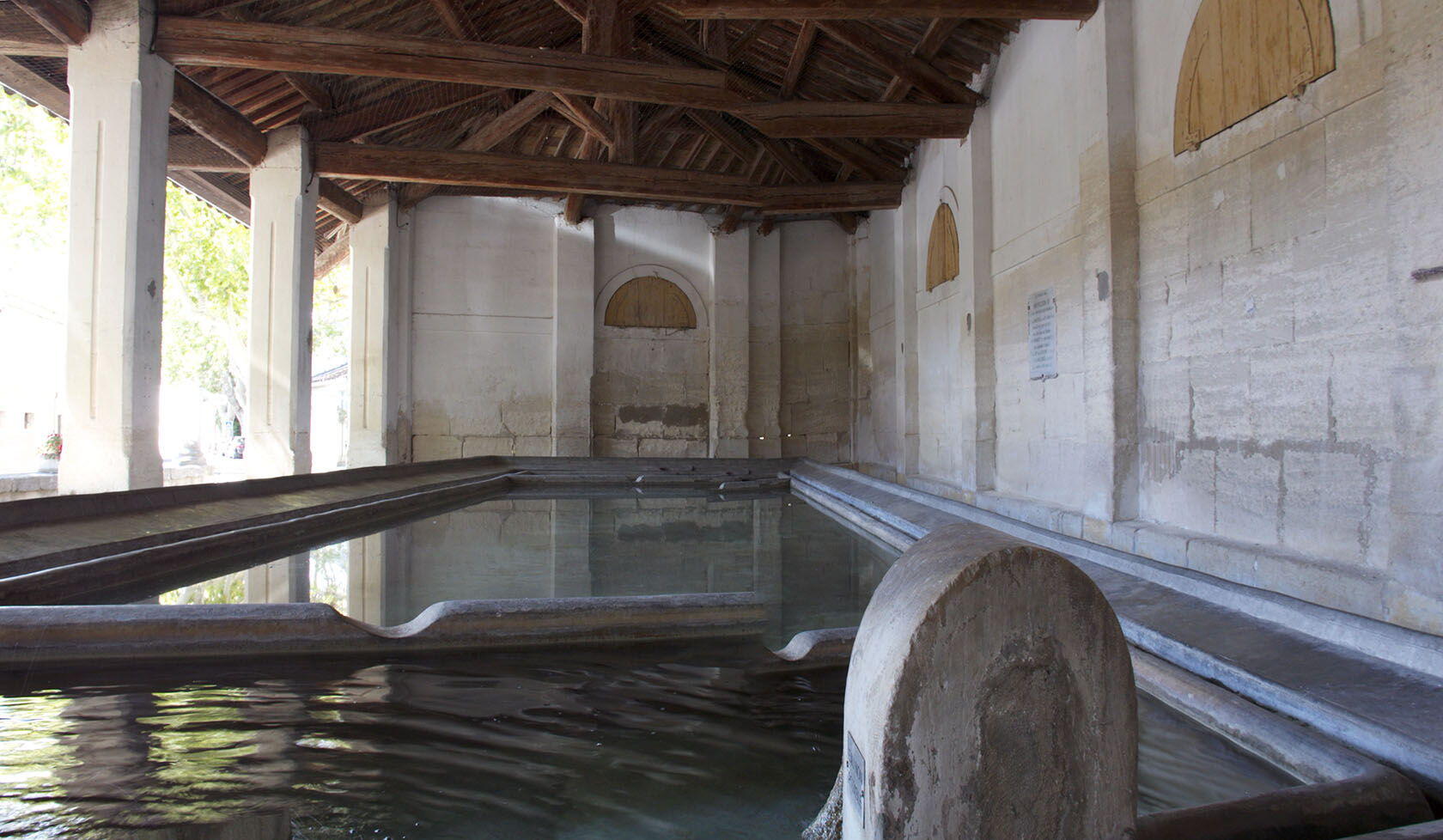
Before communal lavoirs, personal washing was done sparingly by the side of rivers or using precious well water. The washerwoman was often the lady of the house, or in instances of greater wealth, this was an outsourced activity. Laundry was done sparingly, often collected for many months in humidity-free attics or armoires.
This strenuous task was limited to a few times a year when the town’s washing was done over a three-day period a tradition called “la grande buée” or “la grande lessive” (the big wash).

Saint-Tropez - Jewel of the French Riviera: Full day tour with a winery visit
Spend your day as a movie star in Saint-Tropez! The departure is set early in the morning to avoid the traffic towards the legendary town, with which a thousand stories are associated. The experience will start with a tour of this enchanting small fishing town of Saint-Tropez, which inspired numerous painters and whose beauty of the port always attracted the cinematographic world.
Book this ExperienceLegal
All rights reserved. Perfectly Provence articles and other content may not be published, broadcast, rewritten (including translations into other languages) or redistributed without written permission. For usage information, please contact us.
Syndication InformationAffiliate Information
As an Amazon Associate, this website earns from qualifying purchases. Some recipes, posts and pages may have affiliate links. If you purchase via these links, we receive a small commission that does not impact your price. Thank you in advance for supporting our work to maintain Perfectly Provence.
Previous Post
Aix en Juin – the Prelude to the FestivalNext Post
Turner et la Couleur in AixRelated Provence Articles
Revealing the Secrets of Ice Production at Provence’s Glacières
Airing Your Dirty Laundry, the Lavoirs of Provence the Place for Washing and Gossip
Profile: Tania Laveder, World War II Survivor
The Legends of Provence: The Tarasque Monster of Tarascon
No Comment